

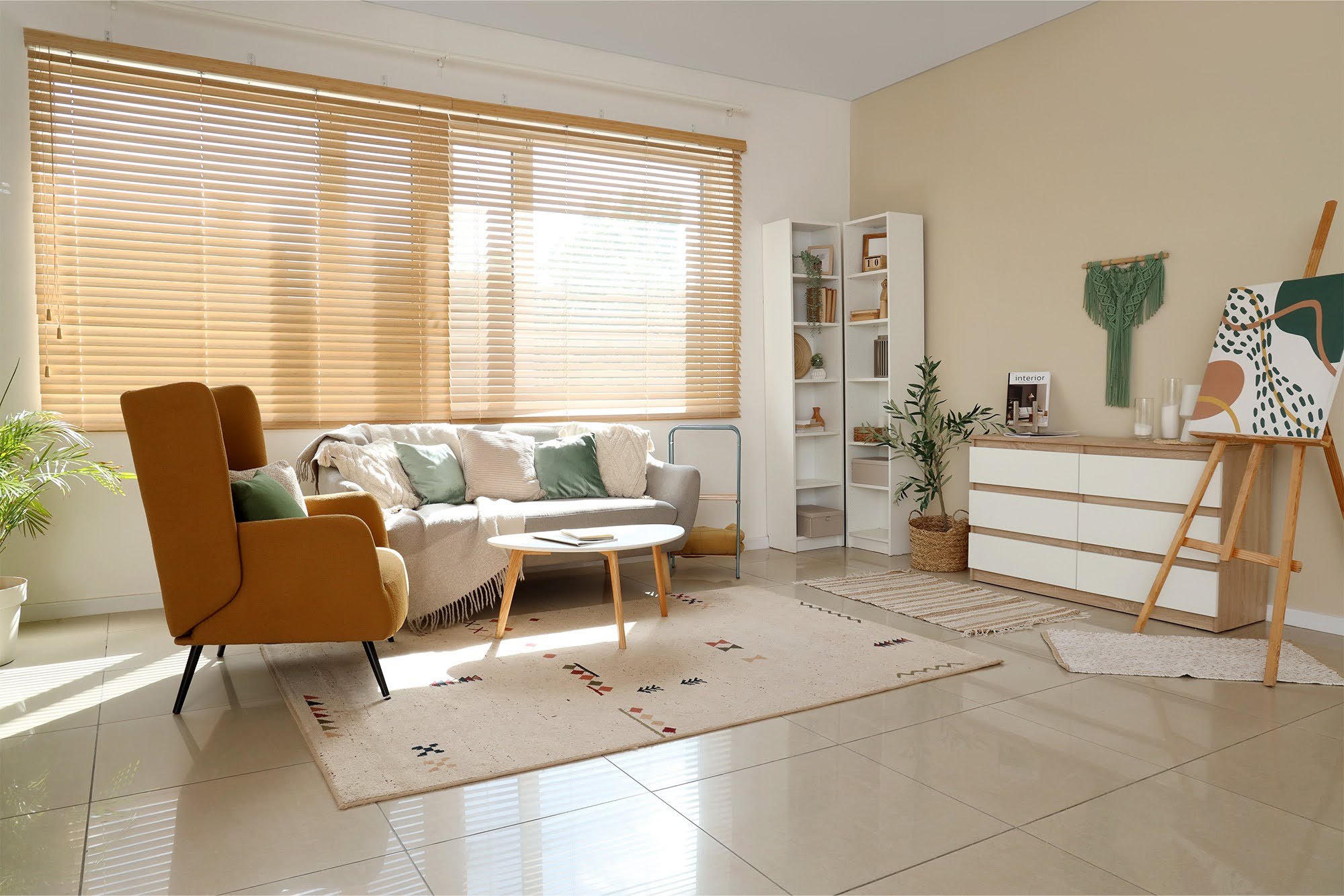
Choosing new flooring is easier when you stop asking which material is best overall and start asking which one makes the most sense for each room. For homeowners in Davis, California, hardwood and tile can serve very different purposes depending on moisture, traffic, maintenance expectations, and the way you use your home.
At Pyramid Flooring Systems, we help you compare flooring based on the needs of the space rather than appearance alone. If you are considering hardwood flooring in Davis, CA, tile, or a combination of both, a room-by-room approach can help you make a more practical long-term decision.
Living Rooms: Hardwood Creates a Warm, Natural Foundation
Your living room is often one of the largest and most visible areas of your home. Hardwood works especially well here because its natural grain and color variation can give the space warmth while creating a clean foundation for different interior styles.
If your living room connects to a dining area or hallway, continuing the same hardwood through these spaces can also create an uninterrupted visual flow.
When exploring hardwood flooring options, consider more than color. Wood species, plank dimensions, surface texture, finish, and whether you choose solid or engineered hardwood can all influence how the finished floor looks and performs.
For an active household, it is also worth considering how visible scratches and everyday wear may be on the particular finish you select.
Kitchens: Tile or Hardwood Depends on Your Priorities
The kitchen presents a more complicated decision. You probably want a surface that looks good alongside adjoining rooms, but spills, frequent cleaning, and heavy daily use also matter.
Tile flooring can be a practical kitchen choice because it is well suited to areas where spills and moisture are concerns. You can choose among different colors, sizes, textures, and styles to coordinate the floor with the rest of your home.
Hardwood may also be considered when creating continuous flooring between a kitchen and an adjoining living or dining area is important to you. If you are considering wood in the kitchen, talk with a flooring professional about the specific product and the conditions in your home.
The right choice ultimately depends on whether visual continuity or moisture-conscious performance is the bigger priority for you.
Bathrooms: Tile Is Usually the Practical Direction
Bathrooms regularly encounter water and humidity, so moisture should be one of your first considerations when choosing flooring.
Tile gives you plenty of design flexibility while being appropriate for moisture-prone spaces. Depending on your design preferences and maintenance expectations, you might compare different tile materials, formats, textures, and finishes.
If you prefer the distinctive variation of stone, explore natural stone tile options. Keep in mind that different stone products can have specific care requirements, making it important to understand maintenance before selecting a material.
Slip resistance is another factor worth discussing when comparing bathroom flooring. A flooring professional can help you evaluate products based on the room and intended application.
Bedrooms: Hardwood Offers Versatile Style
Bedrooms generally have different performance demands than bathrooms, kitchens, and entryways. With fewer moisture concerns, you have greater freedom to focus on appearance, comfort preferences, and continuity with surrounding rooms.
Hardwood can be particularly effective if you want consistent flooring from hallways into bedrooms. Depending on the look you prefer, you can explore lighter or darker colors, different grain patterns, plank widths, and finishes.
For homeowners planning to stay in their homes long term, selecting a hardwood style that works with different furnishings and room updates can also help you avoid making flooring decisions around a short-lived design preference.
Entryways: Tile Can Handle Demanding Everyday Use
Your entryway has an important job. Shoes can bring in dirt and moisture, while frequent foot traffic places additional demands on the floor.
Tile can be a sensible option for these conditions. Beyond selecting the tile itself, consider texture, grout, transitions to adjacent flooring, and professional installation.
This is also a good example of why you do not need to use one material everywhere. You might choose tile at an entrance and transition to hardwood in an adjoining living space based on how you actually use each area.
If you are unsure how different materials could work together, explore professional flooring services and discuss the layout of your Davis home with a flooring professional.
Dining Rooms: Hardwood Supports Visual Continuity
Hardwood is worth considering for a dining room, especially when the room connects directly to a living room or another hardwood-floored area.
Instead of treating the dining room as an isolated space, look at the sight lines through your home. Maintaining one hardwood floor across connected rooms can produce a more cohesive appearance.
Your household habits matter too. Spills should be addressed promptly, and protective measures for furniture can help you care for the floor during everyday use.
Hallways: Think About Traffic and Transitions
Hallways experience repeated traffic and often connect several rooms with different flooring requirements.
Hardwood can create continuity between bedrooms and living spaces. Tile may make more sense when a hallway connects directly to an entrance or another area where moisture and tracked-in debris are greater concerns.
Whichever material you prefer, installation planning matters. Transitions, subfloor conditions, adjoining floor heights, and layout should be evaluated as part of the overall project rather than after you have selected a product.
If you are planning flooring for several rooms, you can visit the Pyramid Flooring Systems showroom to compare hardwood and tile materials in person before making your final selections.
Open-Concept Spaces: Consistency Becomes More Important
Modern open layouts can make flooring selection challenging because kitchens, dining areas, and living spaces may share the same sight line.
One approach is to use hardwood across the primary living spaces to establish visual continuity. Another is to combine tile in areas where moisture is a greater concern with hardwood where you want natural warmth.
If you use both materials, pay careful attention to their transition. A thoughtfully planned transition can make the change in flooring feel intentional rather than dividing the space unnecessarily.
Homeowners considering a larger multi-room project can contact Pyramid Flooring Systems to schedule a consultation and discuss room conditions, material preferences, and installation considerations.
Hardwood or Tile? Let the Room Help You Decide
There is no reason every room in your Davis home has to use the same flooring. Instead, think about what each space asks of the surface beneath your feet.
A practical starting point is:
Living rooms: Hardwood for natural warmth and visual continuity
Kitchens: Tile for moisture-focused practicality, or hardwood when continuity is a priority
Bathrooms: Tile for moisture-prone conditions
Bedrooms: Hardwood for a versatile, natural appearance
Entryways: Tile for demanding everyday use
Dining rooms: Hardwood for continuity with adjacent living areas
Hallways: Hardwood or tile depending on adjoining rooms and traffic
Open-concept spaces: Hardwood, tile, or a carefully planned combination
Your lifestyle, the existing subfloor, maintenance preferences, and specific flooring product should ultimately shape the decision.
Plan Your Davis, CA Flooring Project
The best flooring plan is one that considers your entire home while still respecting the demands of individual rooms. Hardwood can bring natural warmth and continuity to living spaces, while tile can provide a practical solution for kitchens, bathrooms, entrances, and other moisture-conscious applications.
If you are planning new flooring, request a free flooring estimate from Pyramid Flooring Systems. You can also visit our Davis showroom to compare materials firsthand or contact our flooring team to schedule a consultation and discuss the right flooring combination for your home.


