

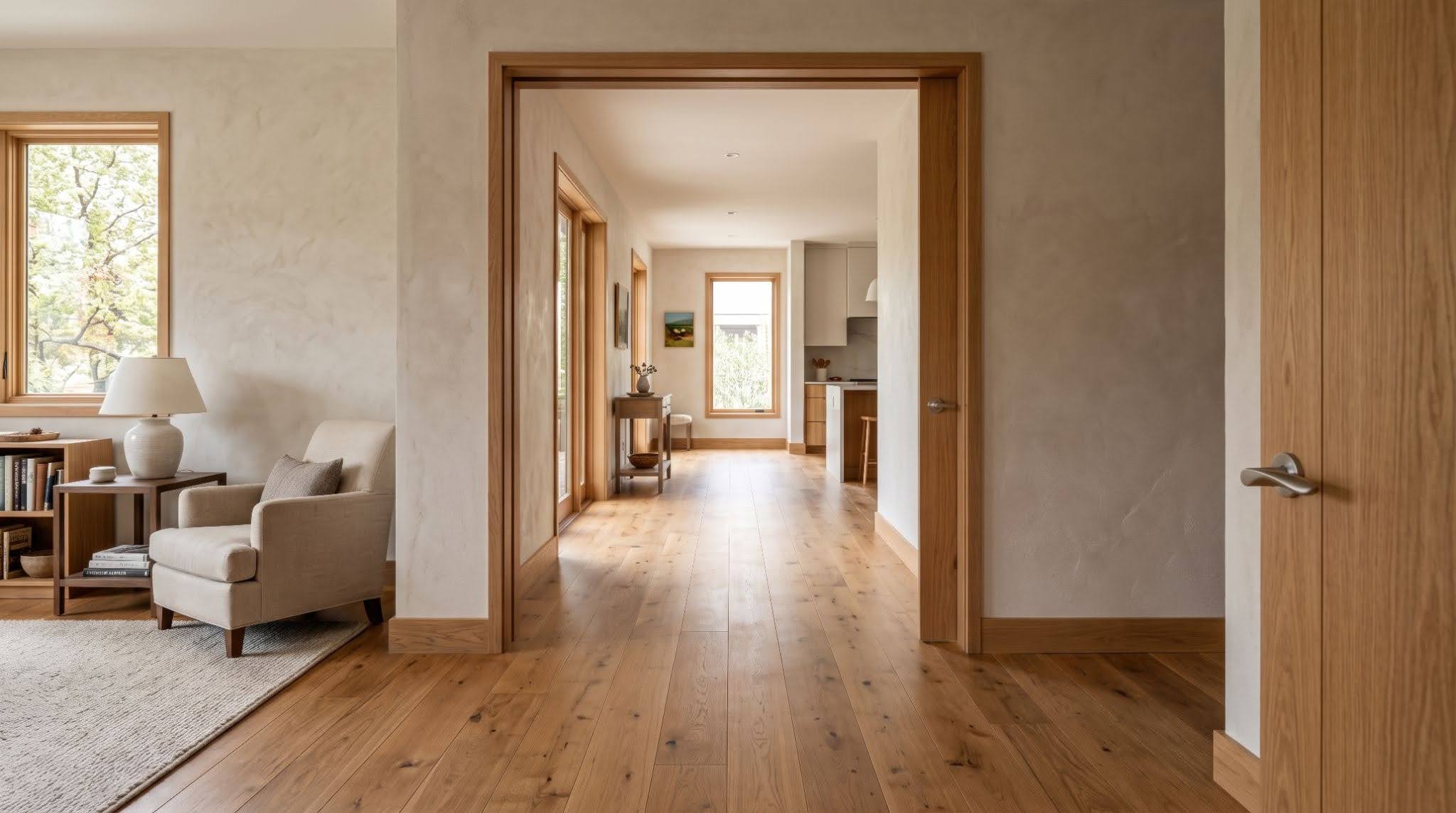
When you are planning new floors for your Davis home, hardwood and tile can both be compelling choices. The better long-term value depends less on choosing a universal “winner” and more on finding the material that fits your rooms, lifestyle, maintenance preferences, and renovation goals.
At Pyramid Flooring Systems, we help homeowners evaluate flooring with the bigger picture in mind. If you are comparing hardwood flooring in Davis, CA with tile, considering how each material will perform in your home can help you make a more confident investment.
What Does Long-Term Flooring Value Really Mean?
Long-term value goes beyond what your flooring costs initially. A floor that works well for your household, holds up to everyday activity, and provides an appearance you enjoy for years can make more sense than choosing primarily on upfront considerations.
As you compare hardwood and tile, think about:
Where the flooring will be installed
How much daily foot traffic the room receives
Exposure to spills and moisture
Your cleaning and maintenance preferences
The style you want throughout your home
Potential repair or refinishing needs
Professional installation requirements
Both materials have strengths. The key is deciding which strengths matter most to you.
Hardwood Offers Warmth and Long-Term Design Flexibility
Hardwood remains an appealing choice when you want natural character and a cohesive look across living spaces. You can explore hardwood flooring options in different species, colors, plank styles, and finishes to find a combination that suits your home.
Hardwood commonly works well in living rooms, dining rooms, bedrooms, hallways, and open-concept spaces. Using the same or coordinating wood flooring across connected areas can also help create a continuous visual flow.
Another consideration is what happens as your floor ages. Depending on the type and condition of the hardwood, refinishing may offer an opportunity to restore its appearance rather than immediately replacing the entire floor.
If your priorities are natural materials, warmth, and a floor that can complement changing interior styles, hardwood deserves serious consideration.
Where Engineered Hardwood Fits In
You may also encounter engineered hardwood while comparing options. Unlike traditional solid hardwood, engineered hardwood uses a layered construction with real wood at the surface.
That construction makes engineered products worth considering when project conditions influence which type of wood flooring is appropriate. Rather than assuming solid or engineered hardwood is automatically better, discuss the room, subfloor, and installation requirements with a flooring professional.
Tile Excels Where Moisture and Easy Cleaning Matter
Tile brings a different set of advantages to the long-term-value conversation. Its durability and suitability for areas exposed to water make it particularly useful in kitchens, bathrooms, entryways, and other frequently used spaces.
Today's tile flooring options also give you substantial design flexibility. Depending on your preferences, you can compare different formats, finishes, colors, patterns, and materials.
For homeowners who prioritize straightforward routine cleaning or flooring for moisture-prone rooms, tile can be a practical long-term choice.
You can also consider natural stone tile if you prefer the variation and character of natural materials. Stone has its own care and installation considerations, so understanding the specific product is important before making your selection.
Hardwood vs. Tile: Which Is More Durable?
Neither material earns the durability advantage in every situation.
Hardwood can perform well in the appropriate environment, but you need to account for scratches, dents, moisture, and the normal wear associated with an active household. Your choice of wood species, finish, and flooring construction can influence how the floor responds to daily life.
Tile is frequently selected for demanding and moisture-prone locations. However, the tile itself is only part of the finished system. Subfloor preparation, grout selection, layout, and installation quality all deserve attention when you are planning for long-term performance.
Before selecting either material, consider the actual conditions of each room rather than focusing on durability as a single product characteristic.
Maintenance Can Change the Value Equation
Think realistically about how much flooring maintenance you are comfortable taking on.
Hardwood generally benefits from regular removal of dust and debris, prompt attention to spills, and cleaning methods appropriate for the particular finish. You may also need to consider periodic professional care as the floor ages.
Tile is generally straightforward to clean, although grout and the specific tile material can require additional care. Natural stone, for example, can have different maintenance requirements than other tile products.
If minimizing upkeep is a major priority, discuss the exact maintenance expectations of the products you are considering before you buy.
If you have narrowed your choices but are unsure which material fits the project, you can contact Pyramid Flooring Systems to discuss your rooms, priorities, and flooring goals.
Installation Is Part of Your Long-Term Investment
It is easy to concentrate on flooring samples and overlook what happens underneath them. Your existing subfloor, room layout, transitions, and other site conditions can affect the installation approach.
Tile requires careful preparation and placement to create a properly finished surface. Hardwood installation also requires attention to the flooring product, site conditions, and installation method.
That is why the value comparison should include both the material and the installation. Pyramid Flooring Systems provides professional flooring services for homeowners planning a flooring project in Davis.
Should You Choose Hardwood or Tile for Your Davis Home?
Your decision becomes easier when you start with the room.
Consider hardwood when you want:
Natural warmth and character
A consistent look through living spaces
A wide choice of wood species and finishes
Flooring suited to bedrooms, living rooms, dining areas, or similar spaces
The potential for refinishing, when appropriate for the selected product
Consider tile when you want:
Flooring for kitchens, bathrooms, or entryways
Strong resistance to everyday moisture
Straightforward routine cleaning
A broad selection of sizes, finishes, colors, and patterns
Natural stone or other distinctive surface options
You do not necessarily have to choose one material for your entire home. In many projects, the better strategy is choosing flooring according to how each space is actually used.
Compare Hardwood and Tile in Person Before Deciding
Online research can help you narrow your choices, but flooring is also a tactile and visual purchase. Color variation, texture, plank proportions, tile size, and finish can look different when you see the actual material.
When you are ready to compare your options, visit our Davis showroom to evaluate hardwood and tile more closely. A flooring consultation can also help you think through room conditions, product differences, and installation considerations before making your final selection.
Find the Right Long-Term Flooring Value for Your Davis Home
So, which delivers better long-term value: hardwood or tile? The answer depends on where you are installing it and what you expect from the floor.
Hardwood can be an excellent fit when natural beauty, warmth, and long-term design flexibility are priorities. Tile can offer particularly practical value where moisture, frequent cleaning, and demanding everyday use are important. For some Davis homes, combining the two provides the most practical solution.
If new flooring is part of your upcoming renovation plans, request a free flooring estimate from Pyramid Flooring Systems. You can also contact our flooring team to schedule a consultation and discuss which flooring option makes the most sense for your Davis, California home.


